


In artificial nutrition, specialized nutritional formulas are administered enterally in a patient who cannot feed on their own.

Monitoring with the elimination of stool and urine is a crucial aspect of nursing care for patients in critical condition.

Walking aids are used when one cannot carry bodyweight on at least one lower extremity.
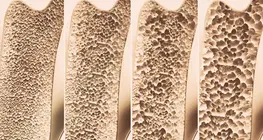
Osteoporosis is a disease of progressive bone loss, it is called a “silent" disease because there are typically no symptoms until a bone is broken.
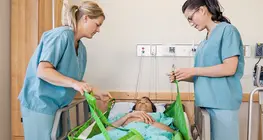
Patient positioning to maintain the patient in a neutral body position.
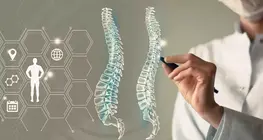
Spine curvature disorders are characterized by abnormal curvatures of the spine that deviate from its normal alignment

Maintaining proper hygiene is a fundamental human need that contributes to overall well-being.

Degenerative changes in the spine can also be caused by ageing or overuse.

Patient safety in critical care nursing
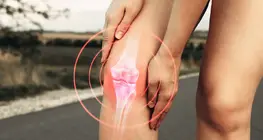
Osteoarthritis encompasses a range of joint diseases with being the most common degenerative type.

Systemic autoimmune connective tissue diseases encompass several different conditions.
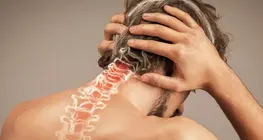
Spondyloarthritis – a family of inflammatory rheumatic diseases.

Pain is the most common reason why people seek medical attention.
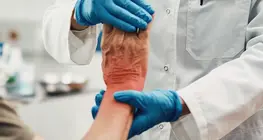
Gout, also known as arthritis urica, is a systemic disease that belongs to the family of crystal arthropathies.

Early diagnosis and intervention in rheumatic diseases are critical for optimizing patient outcomes.

In case of fracture, the continuity of the bone is broken.

The four most common types of adult bone fractures are the wrist, hip, proximal humerus, and ankle fractures.

Deep vein thrombosis most commonly affects the veins in the lower limbs and pelvis.
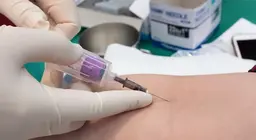
How to draw blood? Step-by-step guide to phlebotomy.

The assessment of the lymph nodes is important for diagnostics as it provides information about various underlying diseases.

Bone marrow biopsy is a commonly performed procedure that helps in the diagnosis of hematological malignancies.

Possible applications of airway management and oxygen therapy.